The short answer
DIY spray foam removal is rarely advisable because it risks damaging the roof timbers and felt, and a botched job can make matters worse for a sale or mortgage. Professional removal is slower, careful hand work designed to leave an inspectable roof. Whichever route, start with an independent inspection — and avoid DIY where it could harm the structure or your lender position.
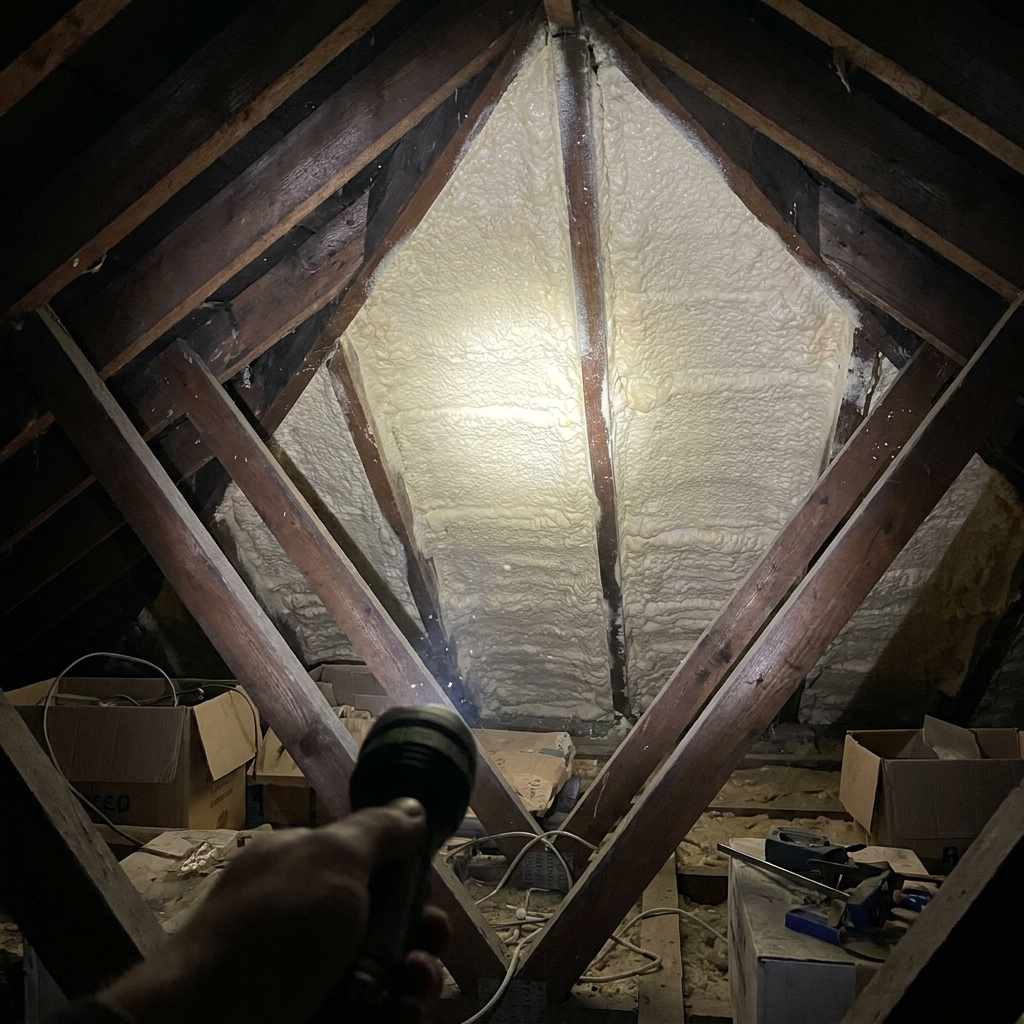
The cost of professional removal tempts some homeowners to attempt it themselves. But spray foam, especially closed-cell, bonds hard to the rafters and felt, and removing it without scarring the structural timbers is skilled work. A DIY attempt that damages the roof, or that leaves foam residue a surveyor cannot see past, can cost far more to put right — and can undermine the very mortgage or sale you were trying to protect. This page weighs the two routes honestly and explains where the real risks lie.
DIY vs pro at a glance
- Main DIY risk damage to roof timbers
- Pro advantage clean, inspectable result
- Both need independent inspection first
- Closed-cell hardest to remove safely
- Lender risk botched DIY can worsen it
Why DIY is rarely a good idea
Spray foam removal looks simple and is not. The foam — particularly dense closed-cell — bonds hard to the rafters and the underside of the felt. Stripping it without gouging the timbers or tearing the membrane takes experience and the right approach. A DIY attempt risks scarring the structural timbers, damaging the roofing felt, leaving residue that still obscures the structure, and creating dust and debris in the loft. The money saved on labour can be dwarfed by repair costs — or by a surveyor flagging a roof that now looks worse, not better.
| Consideration | DIY | Professional |
|---|---|---|
| Risk to timbers | High — easy to damage | Lower — trained, careful work |
| Inspectable result | Often poor | Designed to be clean |
| Making-good (re-felt, re-insulate) | Your responsibility | Usually offered |
| Lender/buyer confidence | Can be undermined | Evidence of proper work |
The lender and sale dimension
If your reason for removing foam is to satisfy a lender or buyer, a DIY job that leaves the roof damaged or still partly obscured can backfire. Lenders and surveyors want a roof that can be assessed and is structurally sound. A poorly executed removal can create new questions about the timbers’ condition, potentially making a mortgage harder, not easier. Professional removal that leaves an inspectable roof, with completion evidence, is far more likely to reassure them.
When professional removal is the answer
If an independent inspection confirms removal is needed, professional removal is almost always the sensible route: it is careful, it protects the timbers, and it can include the making-good a roof needs afterwards. The main downside is cost — typically £2,000–£5,000+ — but that buys a result that stands up to inspection.
What DIY rarely accounts for
People weighing DIY often picture only the stripping, and forget the parts of the job that make it worthwhile. A homeowner doing this alone takes on all of the following — including the responsibility if something is missed and a surveyor later flags it:
- Reinstating the felt or breathable membrane disturbed during removal.
- Checking the timbers and repairing any damage found.
- Re-insulating the loft to a compliant standard.
- Clearing and responsibly disposing of dust and debris.
- Producing any evidence a lender or buyer may later want.
The apparent saving shrinks once these tasks, and the risk of getting them wrong, are counted.
Safety and the structural stakes
There are practical safety points too: working at height in a confined loft, handling debris and dust, and the simple fact that the rafters being worked on are load-bearing. Damaging a structural timber is not a cosmetic mistake — it affects the roof’s integrity and can be costly and disruptive to put right. Where there is any doubt about whether DIY could harm the structure, the safe and usually cheaper-in-the-end answer is to have it done professionally, on the back of an independent assessment.
There is one more reason caution pays. If the foam is being removed to support a transaction, a surveyor or lender will look at the finished roof on its merits. A clean, professionally completed removal with evidence behind it builds confidence; a visibly amateur job with scarred timbers or leftover residue can do the opposite, raising fresh doubts at the worst possible moment. The few hundred pounds saved on labour is poor value if it jeopardises a sale or remortgage worth far more.
Either way, inspect first
Whichever route you are weighing, start with an independent inspection. It may find removal is unnecessary — saving you both the DIY risk and the professional cost. If removal is needed, the inspection gives you the impartial brief to commission it properly. This page is general information, not surveying, structural or financial advice; an independent inspection is essential, and DIY should be avoided where it risks roof damage.
Frequently asked questions
Can I remove spray foam myself?
It is rarely advisable. Foam bonds hard to the rafters and felt, and removing it without damaging the structural timbers is skilled work. DIY risks roof damage, residue that still obscures the structure, and undermining a sale or mortgage.
Will DIY removal save money?
It may save on labour but can cost far more if it damages the timbers or leaves a roof a surveyor cannot pass. A botched DIY job can also create new lender questions, defeating the purpose.
Is professional removal worth the extra cost?
If an independent inspection confirms removal is needed, professional removal protects the timbers, leaves an inspectable roof and can include making-good — typically £2,000–£5,000+. That cost buys a result that stands up to inspection.
What should I do before deciding?
Get an independent inspection from a RICS surveyor or specialist who does not sell removal. It may find removal is unnecessary, or give you an impartial brief to have the work done professionally.
Sources & further reading
- RICS — consumer guidance on spray foam insulation and mortgage lending (2023)
- PCA (Property Care Association) — spray foam roof guidance
- GOV.UK — building regulations and roof structure standards
- Citizens Advice — consumer guidance on home improvement work
This guide is general information, not surveying, structural, legal or financial advice. Whether spray foam needs removing depends on the foam type, install quality, ventilation and your roof timbers’ condition, and an independent inspection by a RICS surveyor or qualified specialist (not a free survey from a company that profits from removal) is essential before you decide.