The short answer
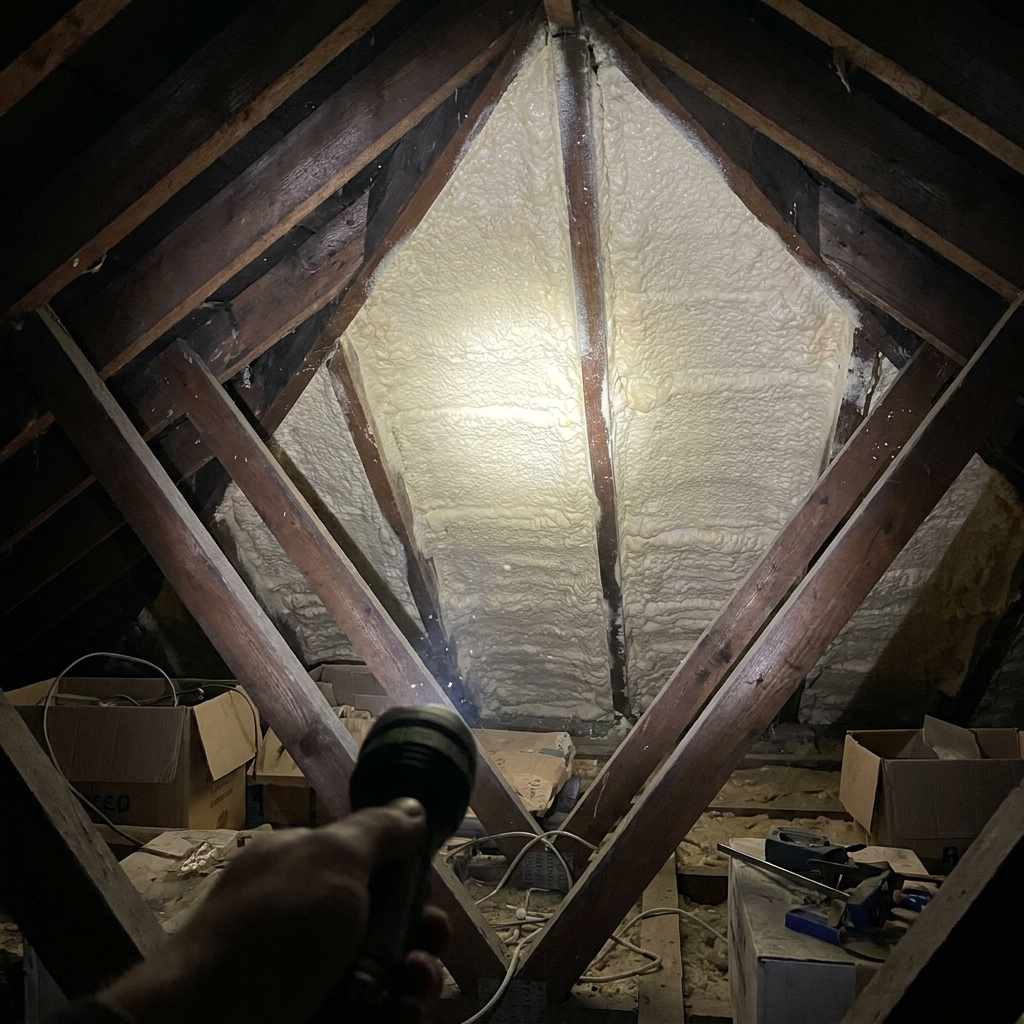
The most common reason for removing spray foam is to satisfy a mortgage lender or surveyor, who cannot assess a roof whose timbers are hidden by foam. A second reason is genuine building risk: foam that traps moisture and threatens the rafters. Removal lets the structure be inspected, ventilation restored and the roof reinsulated conventionally. But not every foamed roof needs stripping — whether yours does should be decided by an independent inspection, not a removal firm.
There is a lot of fear-driven marketing around spray foam, so it is worth separating the two genuine reasons people remove it from the noise. The first is financial and procedural: foam can make a house difficult to mortgage, remortgage or sell, because lenders rely on a surveyor being able to see the roof. The second is physical: in some roofs the foam really is contributing to moisture and timber problems. Both are real, but they are not the same thing, and conflating them is how homeowners get talked into unnecessary work.
Reasons to remove at a glance
- Main reason Lender / survey access to inspect timbers
- Second reason Genuine moisture or decay risk
- Not a reason Generic fear without an inspection
- Cost to remove £2,000–£5,000+ typically
- Cheaper first step Independent RICS / specialist inspection
- Decision maker Independent surveyor, not removal firm
Reason one: mortgages, remortgaging and selling
This is the reason most homeowners actually face. When a lender values a property, the surveyor needs to assess the roof structure. Spray foam sprayed over the rafters and felt obscures exactly what they need to see, so they cannot confirm the timbers are sound. Faced with that uncertainty, some lenders decline, some require removal, and some ask for a specialist report before they will proceed. The result is that foam can make a house harder to mortgage, remortgage or sell — even when the foam is performing perfectly well. For many people the trigger is a buyer pulling out or a remortgage stalling, not any visible defect.
This is a lending-policy problem as much as a building problem. RICS guidance and the response from UK lenders and UK Finance have improved the picture — an independent specialist report can sometimes satisfy a lender without removal — but caution remains widespread and lender policies vary. Removing the foam restores full visibility of the timbers and usually resolves the lending obstacle, which is why removal and mortgageability are so often discussed together.
Reason two: genuine building risk
The second, physical reason is moisture. If foam — especially closed-cell — was applied over old felt or in a roof without adequate ventilation, it can trap water vapour against the timbers. Over time that can lead to condensation, damp and ultimately timber decay that threatens the roof’s structural integrity. Where an inspection finds active moisture or early decay, removal becomes about protecting the structure, not just pleasing a lender — and in those cases delaying removal can make matters worse and more expensive to put right.
When removal may NOT be necessary
It is just as important to know when not to remove. A foamed roof can be acceptable, and removal avoidable, where:
- The foam type and install quality are sound and documented with proper paperwork.
- Ventilation has been maintained and there is no trapped moisture.
- An independent survey confirms the timbers are dry and in good condition.
- Your lender will accept a specialist report rather than insisting on removal.
- You have no immediate plans to sell or remortgage and the roof is performing.
In those cases, paying thousands to strip a sound roof can be money wasted. This is precisely why the inspection comes before the decision — the cost of impartial advice is small next to the cost of unnecessary removal.
What removal actually achieves
When it is warranted, removal does three things: it lets the structure be fully inspected, it allows ventilation to be reinstated, and it clears the way to reinsulate the roof properly with a conventional system. Together those restore both the building’s health and its mortgageability, and they give a future buyer’s surveyor a roof they can sign off. See how removal works for the full process, and keep all paperwork as evidence the job was done correctly.
How to decide
Do not let the company quoting for removal also be the one deciding you need it. Commission an independent RICS surveyor or qualified specialist who does not sell removal, get the foam type and timber condition assessed, and ask your lender directly what evidence they will accept — the answer can save you a strip-out. This page is general information, not surveying, structural or financial advice, and an independent inspection of your roof is essential before committing to anything.
Frequently asked questions
Do I have to remove spray foam to get a mortgage?
Not always. Some lenders accept an independent specialist report instead of removal; others require it. Ask your lender what evidence they need, and get an independent inspection before deciding.
Is spray foam removed because it is dangerous?
Usually not because it is dangerous, but because it hides the roof timbers from inspection. A genuine second reason is trapped moisture and decay risk, which an inspection can confirm or rule out.
Can I keep my spray foam if the roof is sound?
Often yes. If an independent survey confirms the foam, ventilation and timbers are fine and your lender accepts a report, removal may be unnecessary. Strip a sound roof only if there is a real reason.
Who should decide whether I remove it?
An independent RICS surveyor or qualified specialist who does not profit from removal — never the removal company offering a free survey.
Sources & further reading
- RICS — Spray foam insulation consumer guidance on removal and lending (2023)
- UK Finance / mortgage lenders — positions on roof spray foam and survey requirements
- PCA — Property Care Association on moisture risk and roof timber condition
- GOV.UK — Building regulations Approved Documents C and L
This guide is general information, not surveying, structural, legal or financial advice. Whether spray foam needs removing depends on the foam type, install quality, ventilation and your roof timbers’ condition, and an independent inspection by a RICS surveyor or qualified specialist (not a free survey from a company that profits from removal) is essential before you decide.