The short answer
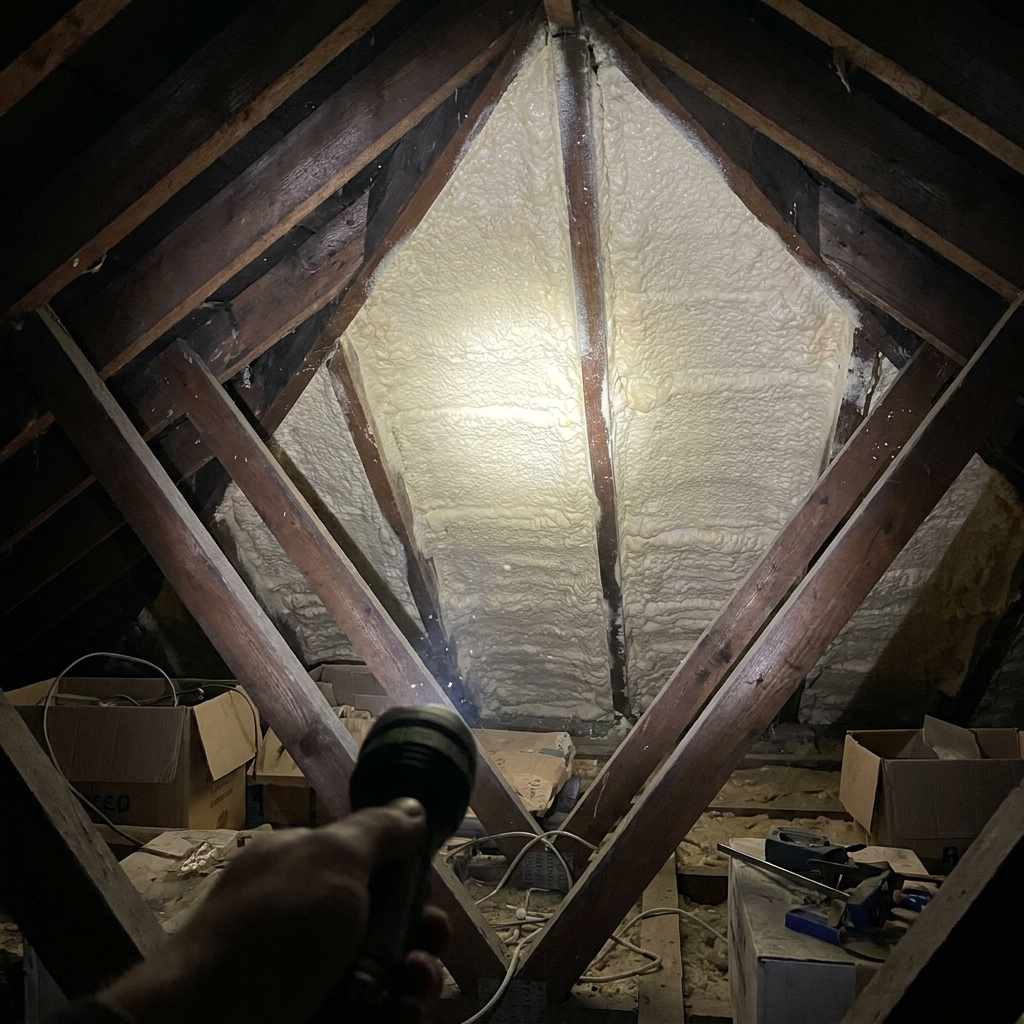
Cleanup after spray foam removal means clearing all foam debris and dust from the loft, disposing of it responsibly, and leaving a clean roof structure a surveyor can inspect. Residue left on the timbers can still obscure them and undermine a lender’s assessment. Make sure your quote includes debris clearance and disposal, and confirm the roof is left inspectable. An independent inspection comes first.
Cleanup is the stage homeowners most often overlook, yet it is what determines whether the removal actually achieves its goal. Stripping the foam creates debris and dust; clearing it properly, disposing of it responsibly, and leaving the timbers visible and clean is what makes the roof inspectable again. This page explains what good cleanup involves, why residue matters to lenders and surveyors, and how to check a quote covers it.
Cleanup at a glance
- Includes debris clearance & disposal
- Goal clean, inspectable timbers
- Risk residue still obscures structure
- Check the quote disposal included?
- Then independent re-inspection
What cleanup actually involves
Once the foam is stripped from the rafters and the underside of the roof, the loft contains foam debris and dust. Proper cleanup means clearing all of it, removing and disposing of it responsibly, and leaving the roof structure clean and visible. The point is not just tidiness: a roof with foam residue still clinging to the timbers has not really achieved the goal of removal, because the structure remains partly obscured.
- Debris clearance — all stripped foam removed from the loft.
- Dust removal — fine residue cleared from surfaces.
- Responsible disposal — waste taken away and disposed of properly.
- Clean timbers — the structure left visible and inspectable.
- Site reinstatement — the loft left usable.
Why residue matters to lenders and surveyors
The reason many people remove foam is to restore a roof a lender or buyer can assess. If cleanup is poor and residue still coats the timbers, a surveyor may still be unable to see the structure clearly — which can mean the removal has not solved the problem. RICS’s 2023 guidance centres on being able to assess the roof’s condition; a clean, visible structure is what makes that possible. Good cleanup is therefore part of the value of the job, not an optional extra.
| Cleanup quality | Outcome |
|---|---|
| Thorough — clean timbers | Roof inspectable; goal achieved |
| Poor — residue left | Structure still obscured; problem persists |
| Debris not disposed | Extra cost and hassle for you |
Check your quote covers cleanup
A complete removal quote should include debris clearance and responsible disposal, not just stripping the foam — see what affects the cost. Ask explicitly whether disposal is included or charged separately, and what state the loft will be left in. Cleanup usually sits alongside re-felting and re-insulation as part of the making-good that turns “foam stripped” into “roof restored”.
Dust, debris and handling
Stripping cured foam generates dust and fragments, so a tidy job also means sensible handling: dust sheets to protect the loft and the route through the house, bagging of debris, and responsible disposal rather than leaving waste in the loft or garden. A professional firm manages this as a matter of course. The goal is that, once they leave, the loft is clean and usable and nothing has migrated into the living space below. If you are weighing doing it yourself, the dust, debris handling and disposal are a real part of the work that is easy to underestimate.
Where cleanup fits in making-good
Cleanup is the bridge between stripping the foam and restoring the roof. It comes after the foam is removed and before — or alongside — re-felting and re-insulation, because the timbers need to be clean and visible before the roof is reinstated and before a surveyor can sign off the structure. Treating cleanup as an integral stage, rather than a sweep-up at the end, is part of what distinguishes a complete job from a bare strip. It is also the point at which the true condition of the roof becomes clear, so it dovetails naturally with the final inspection.
When you gather quotes, ask each firm to spell out the cleanup stage: who clears the debris, where it goes, and what the loft will look like when they leave. A vague answer is a warning sign. A clear one — debris bagged and removed, surfaces left clean, timbers visible for inspection — tells you the firm understands that cleanup is part of delivering the result you are paying for, not an optional extra to be skimped.
Confirm the result
After cleanup, it is worth having the roof re-checked — ideally by the same independent surveyor — to confirm the timbers are clean, visible and sound, and to obtain completion evidence for a lender or buyer. This page is general information, not surveying, structural or financial advice; an independent inspection is essential before and ideally after the work.
Frequently asked questions
Is cleanup included in spray foam removal?
It should be, but not every quote covers it. A complete job includes clearing all foam debris and dust, disposing of it responsibly, and leaving clean, visible timbers. Confirm disposal is included before you book.
Why does leftover residue matter?
If foam residue still coats the timbers, a surveyor may be unable to assess the roof — meaning removal has not achieved its purpose. The goal is a clean, inspectable structure, which only thorough cleanup delivers.
How is removed spray foam disposed of?
It should be cleared from the loft and disposed of responsibly by the removal firm. Ask whether disposal is included in the quote or charged separately, and what condition the loft will be left in.
Should the roof be re-checked after cleanup?
Yes — ideally by the same independent surveyor — to confirm the timbers are clean, visible and sound, and to obtain completion evidence a lender or buyer may want to see.
Sources & further reading
- RICS — consumer guidance on spray foam insulation and mortgage lending (2023)
- PCA (Property Care Association) — spray foam roof guidance
- GOV.UK — building regulations and waste disposal guidance
This guide is general information, not surveying, structural, legal or financial advice. Whether spray foam needs removing depends on the foam type, install quality, ventilation and your roof timbers’ condition, and an independent inspection by a RICS surveyor or qualified specialist (not a free survey from a company that profits from removal) is essential before you decide.