The short answer
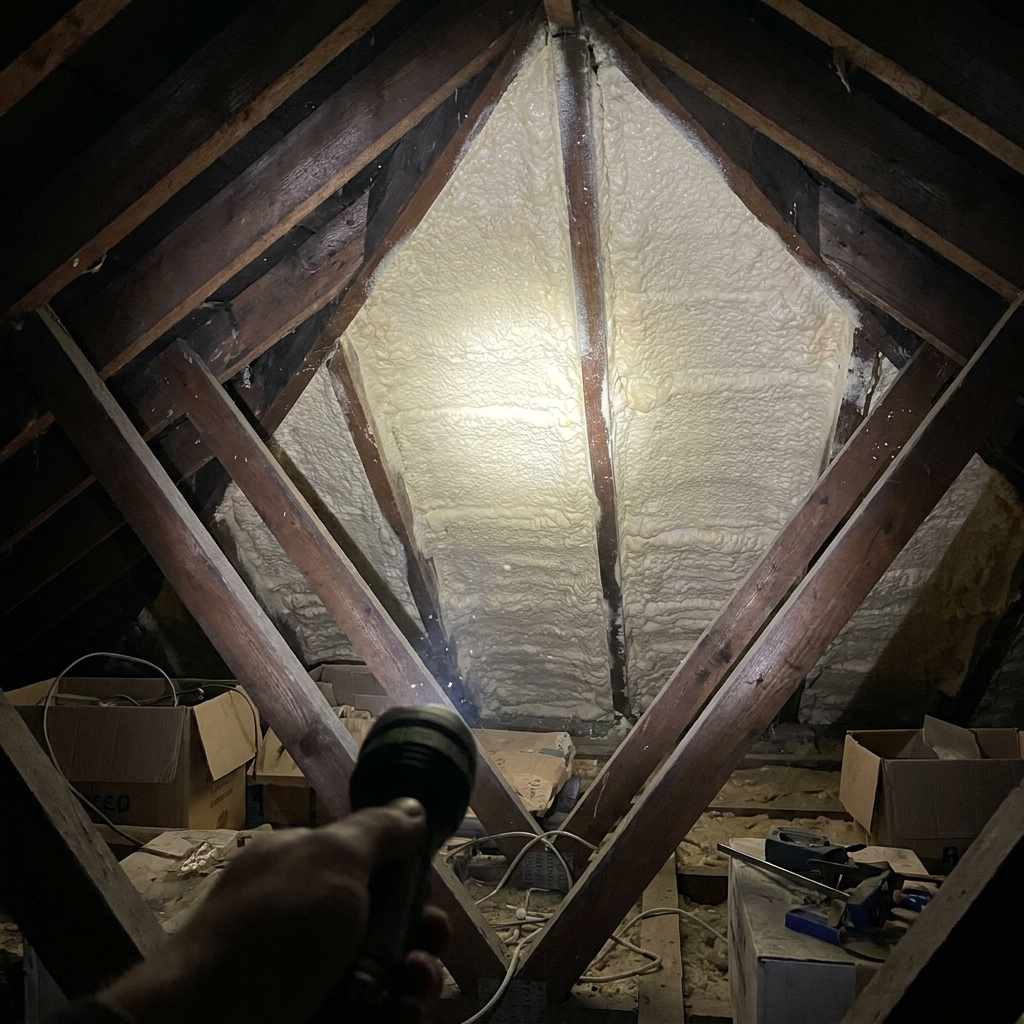
Most spray foam removals do not require a full new roof, but removal can damage the roofing felt it is bonded to, and where the felt is failing or the timber has decayed, re-covering may be needed. Closed-cell foam bonded hard to the felt is the usual reason: stripping it can tear the felt, so a re-felt or partial re-cover follows. Whether your roof needs replacing depends entirely on its condition. Establish that with an independent survey before committing.
“Will I need a whole new roof?” is a natural fear when foam removal is discussed, and removal firms sometimes encourage it. The honest answer is that full replacement is the exception, not the rule — but felt damage and any underlying timber decay can mean re-covering is needed. This page explains when replacement genuinely arises and how the question is properly assessed.
Roof replacement at a glance
- Usual outcome Removal without full replacement
- Main trigger Felt torn or failing during removal
- Higher risk Closed-cell foam bonded to felt
- Other trigger Significant timber decay
- How to decide Independent inspection of condition
Removal does not usually mean a new roof
It is important to start with reassurance grounded in fact: in most cases, removing spray foam does not require replacing the whole roof. The foam is stripped from the underside, the timber and felt are checked, and the roof is reinsulated — the covering of tiles or slates on the outside is often untouched. Claims that a foamed roof inevitably needs full replacement are usually overstated and should be treated with caution, especially when they come from a firm that profits from the larger job.
That said, there are genuine circumstances in which re-covering or replacement becomes necessary, and an honest page must set them out.
When replacement or re-covering arises
Two situations drive a need for roof works beyond simple removal:
- Felt damage during removal. The roofing felt (the membrane beneath the tiles) is where closed-cell foam bonds most stubbornly. Stripping foam that is firmly adhered can tear or pull away the felt, and a roof needs a sound underlay to stay watertight. Where the felt is damaged or already perished, a re-felt — sometimes requiring tiles to be lifted — may be needed.
- Significant timber decay. If the inspection reveals advanced timber decay, affected structural members may need repair or replacement, which is a larger undertaking than removal alone.
Neither of these is caused by the act of removal in isolation; they reflect the condition the foam was hiding. This is exactly why surveyors emphasise inspecting before acting.
How the need for replacement is assessed
The condition of the felt and timber — and therefore whether re-covering is needed — can only be judged by exposing them, which is the same diagnostic principle the PCA applies to decay and RICS applies to obscured roofs. A competent inspection establishes the foam type and adhesion, the state of the felt, and the timber condition, allowing a realistic view of what removal will involve and whether any re-covering should be budgeted.
| Finding | Likely implication |
|---|---|
| Foam lifts cleanly, felt sound | Removal without re-covering |
| Closed-cell bonded to perished felt | Re-felt likely needed |
| Advanced timber decay found | Timber repair / partial structural work |
| Tiles to be lifted to re-felt | Larger re-covering project |
How removal method affects the felt
Whether re-covering becomes necessary is influenced by how the foam is taken off as well as by the felt’s starting condition. Careful, skilled removal works the foam away from the felt and timber with the aim of preserving the membrane wherever possible, whereas aggressive stripping can do avoidable damage. Where the felt is modern and sound, a competent contractor can often remove closed-cell foam while leaving it intact; where the felt is the older bitumen type and already brittle, even careful removal may bring it away. This is one reason the choice of contractor matters and why the method should be discussed in advance — see how spray foam is removed.
It is also why a realistic project allows for the possibility of re-felting without assuming it. A good inspection gives a probability, not a certainty: it might conclude that the felt looks sound and should survive removal, but that a contingency for re-covering is prudent. That honest framing — likely outcome plus a sensible allowance — is far more useful than either a flat “you need a new roof” or a glib “the felt will be fine”.
What to do next
Before accepting any quote that includes a new roof, get an independent inspection from a RICS surveyor or specialist who is not selling you the work. They confirm the felt and timber condition and tell you, impartially, whether re-covering is genuinely required or whether straightforward removal and reinsulation will do. That protects you from paying for a roof you may not need. This page is general information, not an assessment of your roof, which an independent inspection should provide.
Frequently asked questions
Does removing spray foam mean I need a new roof?
Usually not. Most removals are done without replacing the whole roof — the foam is stripped, the structure checked and the roof reinsulated. Full replacement is the exception, arising mainly where the felt is torn or perished or the timber has significantly decayed. An inspection establishes which applies.
Why can removal damage the roofing felt?
Closed-cell foam bonds hard to the felt beneath the tiles. Stripping firmly adhered foam can tear or pull away that membrane, and a roof needs sound felt to stay watertight. Where the felt is damaged or already perished, a re-felt may be needed, sometimes requiring tiles to be lifted.
How do I know if my roof needs re-covering?
Only by exposing the felt and timber. A competent inspection establishes the foam type and adhesion, the state of the felt and the timber condition, giving a realistic view of whether removal alone will do or whether re-covering should be budgeted. Do not accept this on a sales pitch alone.
Should I trust a firm that quotes for a full new roof?
Be cautious. Replacement is the exception, not the default, so any insistence on a full new roof before an impartial inspection deserves scepticism — especially from a firm that profits from the larger job. Get an independent assessment of the felt and timber first.
Sources & further reading
- RICS — Spray foam insulation consumer guidance (2023) on obscured roofs and inspection before action
- PCA (Property Care Association) — guidance on assessing timber and roof condition
- GOV.UK — Building Regulations Approved Document C (resistance to moisture, roof coverings)
- BRE (Building Research Establishment) — roofing underlay and ventilation principles
This guide is general information, not surveying, structural, legal or financial advice. Whether spray foam needs removing depends on the foam type, install quality, ventilation and your roof timbers’ condition, and an independent inspection by a RICS surveyor or qualified specialist (not a free survey from a company that profits from removal) is essential before you decide.